Exactly How Cold Laser Therapy for Canines Promotes Faster Recuperation and Improves Wheelchair
Cold laser therapy is acquiring grip as a reliable treatment for pets recovering from surgeries and injuries (Cold Laser Therapy For Dogs). By promoting cellular feature and enhancing blood flow, this non-invasive method help in reducing swelling and pain. Numerous pet owners report noticeable improvements in their canines' flexibility and lifestyle. Nevertheless, recognizing the details of this therapy and its benefits is important for making informed decisions about canine treatment. Exactly what does the process require?
What Is Cold Laser Therapy and How Does It Function?
Cold laser treatment, additionally known as low-level laser therapy (LLLT), is a non-invasive therapy that makes use of particular wavelengths of light to advertise healing and lower pain in canines. This strategy uses low-power lasers or light-emitting diodes (LEDs) to permeate the skin and boost mobile feature. By targeting soft cells, the therapy improves blood circulation, urges cells repair work, and lowers swelling.
The system behind chilly laser therapy includes the absorption of photons by the cells, which activates different biochemical procedures. This excitement brings about boosted ATP manufacturing, enhancing mobile metabolism and increasing the recovery procedure. Consequently, pet dogs undertaking this treatment might experience decreased discomfort and swelling, enhanced wheelchair, and improved recuperation times. It is frequently used to treat a variety of conditions, including joint inflammation, post-surgical discomfort, and injuries. The non-invasive nature of the therapy makes it a secure alternative for many canine patients seeking alleviation.
Benefits of Cold Laser Treatment for Dogs
While several family pet owners look for effective pain relief choices for their canines, cool laser therapy offers a series of benefits that can significantly improve a pet dog's top quality of life. This non-invasive treatment promotes recovery by stimulating cellular feature and enhancing blood flow, which can cause much faster recovery from injuries or surgical procedures. Furthermore, the treatment can minimize inflammation and minimize pain, enabling canines to restore movement and involve in physical tasks more easily.
Cold laser therapy is additionally secure and normally well-tolerated, making it ideal for dogs of all sizes and ages. It may help in reducing the need for medicines, lessening potential adverse effects connected with drugs. Many canines experience relaxation during therapy sessions, adding to general well-being. By incorporating chilly laser treatment right into their care routines, animal proprietors may observe substantial renovations in their dogs' physical problem and joy, inevitably promoting a more powerful bond between them.
Problems Dealt With With Cold Laser Treatment
Lots of problems impacting dogs can be properly treated with cold laser treatment, as this cutting-edge approach addresses both persistent and acute concerns. This treatment is specifically helpful for taking care of pain related to joint inflammation, hip dysplasia, and other degenerative joint diseases. It promotes healing in soft tissue injuries, such as stress and strains, and help recuperation from surgeries.
In addition to bone and joint problems, cool laser treatment can likewise minimize signs of swelling and assist in wound recovery. Problems like bursitis, nerve, and tendonitis injuries react well to this non-invasive therapy. In addition, cold laser treatment can be effective in taking care of persistent problems such as intervertebral disc illness and certain skin-related issues. The flexibility of this therapy makes it a useful choice for vets, aiding pet dogs gain back mobility and improve their total lifestyle.
The Therapy Process: What to Anticipate
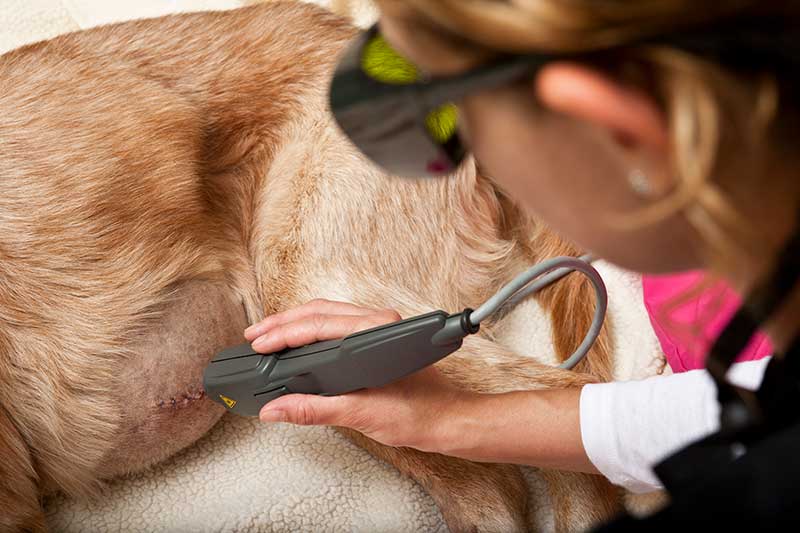
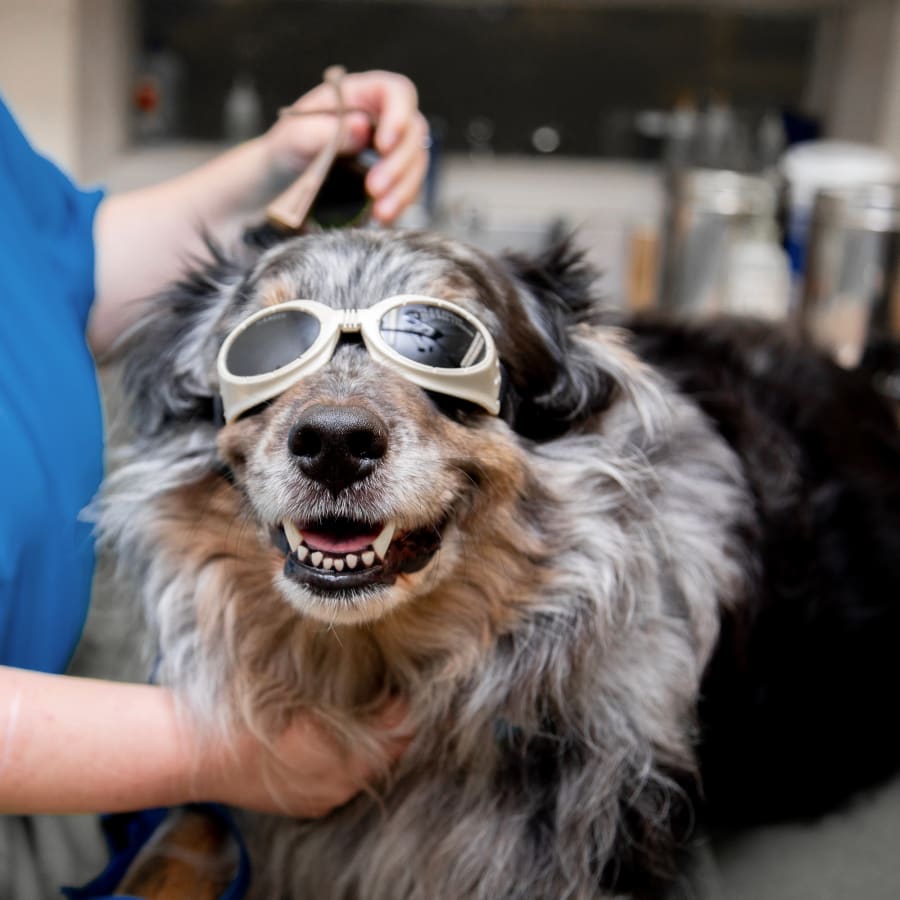
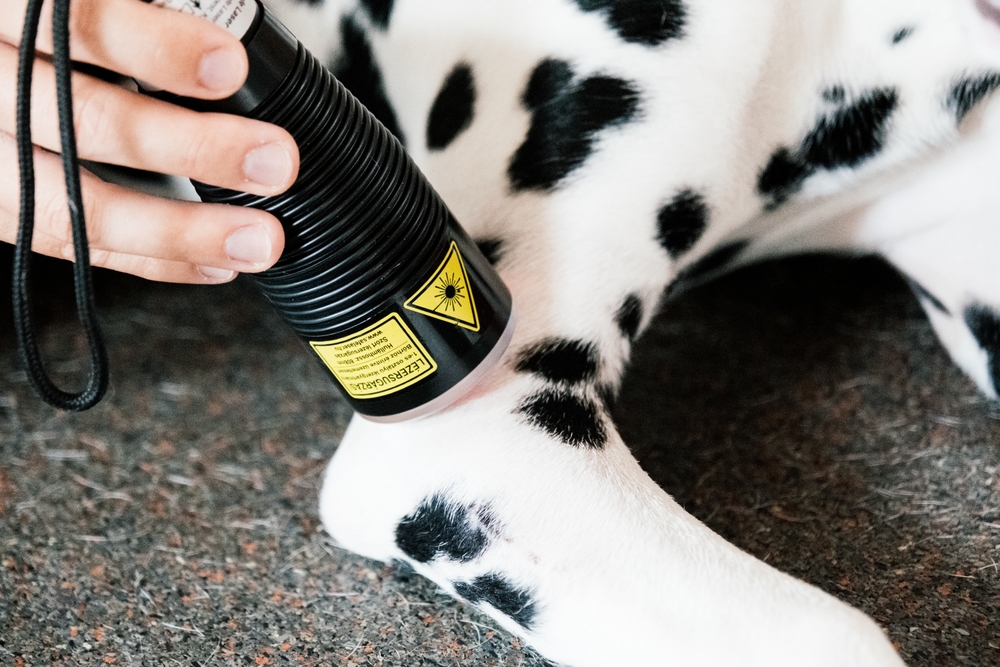
The laser permeates the skin, stimulating mobile task and advertising recovery without creating pain. Most canines remain tranquil and loosened up throughout the session, with some even appreciating the heat of the laser.
Sessions might be repeated multiple times a week, relying on the problem being treated and the vet's suggestions. Throughout the treatment process, pet dog proprietors are urged to observe their dog's response and communicate any type of issues. This collective strategy warranties that both the owner and the pet dog feel informed and involved in the recuperation journey.
Contrasting Cold Laser Therapy to Traditional Treatments
When contrasting cold laser treatment to conventional treatments for dogs, the distinctions in system of activity are considerable. Cold laser treatment promotes recovery at a cellular degree without the invasive results typically related to traditional methods - Cold Laser Therapy For Dogs. Additionally, recuperation times may vary, with cold laser therapy possibly offering quicker healing advantages
Mechanism of Activity
Traditional treatments for injuries and pain in dogs typically count on drugs and intrusive procedures, chilly laser therapy supplies a non-invasive alternative that promotes healing with a various system of activity. This treatment utilizes low-level lasers to penetrate the skin, stimulating cellular features such as ATP production, which improves basal metabolism in cells. Increased blood circulation and decreased swelling are also crucial results, as the laser promotes vasodilation and urges the launch of endorphins. Unlike typical approaches, which may mask discomfort or call for medical treatment, cold laser treatment addresses the underlying sources of pain, promoting all-natural recovery processes. This unique technique enables boosted recuperation times and far better mobility, making it a favorable alternative for handling canine injuries.
Healing Time Comparison
While traditional therapies for injuries in pet dogs commonly include longer recuperation times due to their invasive nature and dependence on medicines, cold laser treatment can significantly quicken the healing procedure. Research studies show that canines obtaining cool laser therapy experience substantially much shorter healing periods compared to those undertaking conventional approaches. Traditional treatments might take weeks or also months, often accompanied by adverse effects from medicines. On the other hand, chilly laser treatment promotes tissue fixing and minimizes inflammation without the need for intrusive procedures or drugs. This non-invasive official site approach not only speeds up healing however likewise improves movement extra swiftly, enabling dogs to return to their regular tasks faster. As a result, pet dog proprietors increasingly select cool laser therapy as a reliable alternative for their canine companions.
Success Stories: Pooch Recuperation With Cold Laser Therapy
Several pets have actually experienced amazing healing journeys with cool laser treatment, showcasing the therapy's potential. Pet dog proprietors have actually reported significant renovations in their pets' flexibility, enabling them to take part in activities they once appreciated. These success tales highlight the effectiveness of cold laser therapy as an important option have a peek here for canine recuperation.
Remarkable Healing Journeys
Extremely, many dogs have experienced transformative recuperations with cool laser therapy, showcasing its performance in alleviating pain and advertising recovery. One noteworthy instance involved a gold retriever named Max, that had problem with serious joint inflammation. After several sessions of cold laser treatment, his owners reported a considerable reduction in his discomfort, allowing him to resume his day-to-day strolls. Likewise, Bella, a dachshund with a history of spinal injuries, presented exceptional renovation. Following her treatment, she restored toughness and wheelchair, allowing her to play again. These success stories highlight exactly how cold laser therapy not just addresses pain administration but additionally fosters a recovery setting, empowering canines to recover their sprightliness and appreciate a far better top quality of life.
Boosted Wheelchair Instances
The positive outcomes of chilly laser treatment extend past discomfort alleviation, substantially enhancing flexibility in pet dogs. Countless success tales highlight the transformative results of this therapy. As an example, a Labrador retriever named Max, formerly battling with joint inflammation, restored his capability to run and play after numerous sessions, a lot to his proprietor's delight. In a similar way, Bella, a German guard recovering from surgical procedure, showed substantial enhancement in her range of motion and was quickly able to appreciate lengthy walks once more. Additionally, a senior beagle called Sissy demonstrated raised agility and excitement in her daily activities post-therapy, leading to a better quality of life. These examples highlight the performance of cold laser therapy in fostering flexibility and overall well-being in pet dogs.
Frequently Asked Concerns
Is Cold Laser Therapy Safe for All Dog Types?
Cold laser therapy is typically considered risk-free for all dog types. It is vital to get in touch with a vet before therapy, as individual wellness conditions and sensitivities may influence its viability for details pet dogs.
How much time Does Each Cold Laser Treatment Session Last?
Each cold laser therapy session typically lasts between 10 to half an hour, depending on the particular treatment goals and the pet's condition. The vet will certainly determine the appropriate period based upon individual requirements and response.
Can Cold Laser Treatment Be Consolidated With Various Other Therapies?
How Many Sessions Are Generally Required for Obvious Results?
Are There Any Type Of Side Results Connected With Cold Laser Therapy?
Cold laser treatment is normally considered risk-free, with minimal side results. Sometimes, pet dogs may experience mild discomfort or short-lived swelling at the therapy website, but major adverse reactions are rare and generally solve swiftly.
Cold laser therapy, also recognized as low-level laser therapy (LLLT), is a non-invasive therapy that utilizes certain wavelengths of light to promote recovery and minimize discomfort in pet dogs. While lots of family pet proprietors look for efficient pain relief alternatives for their canines, cool laser therapy offers a range of benefits that can substantially improve a pet's high quality of life. Conventional therapies for injuries and discomfort in dogs commonly rely on drugs and invasive procedures, cool laser treatment provides a non-invasive alternative that promotes healing via a various system of action. While conventional treatments for injuries in canines often involve longer recovery times due to their intrusive nature and reliance on drugs, cool laser therapy can substantially quicken the recovery procedure. Cold laser treatment can undoubtedly be incorporated with other treatments, such as click this physical therapy or medicine.